An HSV diagnosis can change the way you think about dating, intimacy, and self-worth. You may worry that people will reject you, that disclosure will always lead to awkward conversations, or that herpes has changed your chances of finding a relationship. These feelings are common, especially soon after diagnosis.
However, HSV is only one part of your health history and does not define your personality, appearance, values, or ability to build meaningful connections. Herpes Simplex Virus is also very common worldwide. Learning accurate information, taking care of your health, and gradually rebuilding confidence can help you approach dating with a healthier perspective.
Why HSV Can Make You Feel Undateable
Diagnosis Can Affect Self-Esteem
After an HSV diagnosis, it is easy to focus on what you believe you have lost rather than what remains unchanged. You may think that dating will become impossible or that everyone will reject you.
These thoughts can feel real, but they don’t predict your future. You are still the same person with the same qualities, interests, goals, and personality. HSV and self-esteem can coexist without HSV becoming the centre of your identity.
Stigma Can Make Dating Feel Harder
Herpes can carry social stigma, which may make people feel embarrassed or isolated. The World Health Organization recognizes that genital herpes can affect sexual relationships and may contribute to stigma.
It is important to separate social attitudes from medical facts. HSV is a common viral infection that can be managed, even though there is currently no cure.
Learn the Facts About HSV
Knowledge can reduce some of the fear surrounding dating.
Understand Transmission
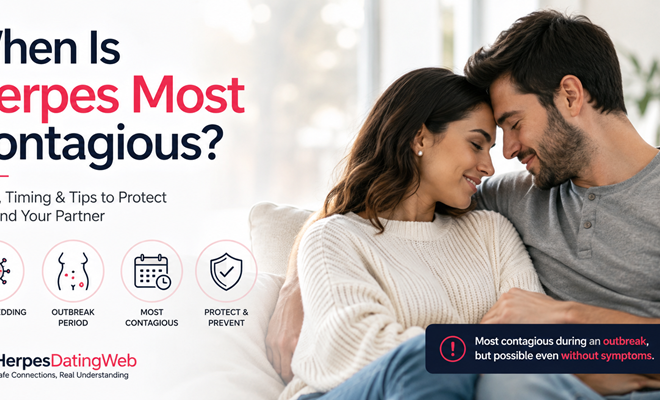
HSV can spread through skin-to-skin contact and may sometimes be transmitted when no visible symptoms are present. Because of this, communication with sexual partners is important.
Condoms can reduce transmission risk but cannot eliminate it because herpes can affect areas not covered by a condom. Avoiding sexual contact during outbreaks or when symptoms are present is another important precaution.
Understanding these facts can make safe dating with herpes feel more manageable.
Talk With a Healthcare Professional
If you have questions about outbreaks, testing, medication, or transmission, speak with a healthcare professional. Antiviral medicines such as acyclovir, famciclovir, and valacyclovir may be used to manage genital herpes.
Some people use treatment during outbreaks, while others may be prescribed daily suppressive therapy. Your healthcare provider can explain which approach is appropriate for your situation.
Stop Letting HSV Define Your Identity
Remember Your Other Qualities
Make a mental list of the qualities you bring to a relationship. You may be caring, funny, ambitious, loyal, creative, thoughtful, adventurous, or emotionally supportive.
These qualities did not disappear after your diagnosis.
Living confidently with HSV means recognizing that your health status is one part of your life rather than your entire identity.
Challenge Negative Thoughts
If you catch yourself thinking, “Nobody will want me,” try replacing it with a more realistic thought such as, “Some people may not be comfortable with HSV, but others may be willing to understand it.”
This does not promise a particular outcome. It simply prevents one fear from becoming an assumption about everyone.
Become More Comfortable With Disclosure
Disclosure is often one of the biggest sources of dating anxiety after an HSV diagnosis.
Choose the Right Moment
You do not have to introduce your diagnosis immediately when meeting someone. However, if a relationship is becoming sexual, disclosure should happen before sexual activity so both people can make informed decisions.
HSV disclosure in dating is not an apology. It is a health conversation between two adults.
Keep the Conversation Simple
You do not need to provide every medical detail at once. Explain that you have HSV, share what you know about your situation, and discuss ways you can reduce transmission risk.
Give the other person time to ask questions. They may know very little about herpes and may need reliable information before deciding how they feel.
Prepare for Different Responses
People have different experiences and boundaries. Someone may be comfortable continuing the relationship, while another person may decide that they are not comfortable with the potential risk.
Rejection can be painful, but it does not mean you are unattractive or unworthy. It means that the other person made a personal decision about their boundaries.
Rebuild Your Dating Confidence
Start Slowly
You do not have to rush back into dating. Start with conversations, social activities, friendships, or casual dates when you feel ready.
Dating after an HSV Diagnosis can become easier as you gain experience communicating about your health.
Every positive interaction can remind you that your diagnosis has not removed your ability to connect with people.
Stop Rejecting Yourself First
One common problem after diagnosis is self-rejection. You may avoid someone you like because you assume they would never accept you.
That approach removes their opportunity to make their own informed decision.
Instead, focus on whether you enjoy talking to the person, whether they treat you respectfully, and whether your values and expectations are compatible.
Look for Respectful Dating Environments
Some people feel more comfortable using spaces where conversations about sexual health are more open.
Herpes dating support can help people feel less isolated and provide opportunities to communicate with others who understand the challenges of living with HSV.
Whether you use a specialized dating platform, support group, or ordinary dating app, focus on people who communicate respectfully and allow honest conversations.
Take Care of Your Emotional Well-Being
Give Yourself Time
You may experience embarrassment, anger, sadness, or anxiety after diagnosis. These emotions can change as you learn more and become more comfortable with your situation.
Confidence after herpes diagnosis is not something you have to develop instantly. It can grow gradually through education, self-acceptance, healthy relationships, and positive social experiences.
Look for Support When Needed
If shame or anxiety starts interfering with your daily life or relationships, consider speaking with a qualified counselor or healthcare professional.
Talking with someone can help you process the diagnosis without allowing it to control your self-image.
What Healthy Dating With HSV Can Look Like
Healthy dating involves honesty, respect, communication, and informed decisions. Dating with HSV does not require hiding your diagnosis or making it the first thing people know about you.
You can take time to get to know someone, disclose before sexual activity, answer reasonable questions, and discuss precautions together.
You also deserve relationships where you are treated with respect. A person who responds to your disclosure with kindness and maturity can make the conversation much easier.
Frequently Asked Questions
Can I still date after an HSV diagnosis?
Yes. HSV does not prevent you from dating or having relationships. You may need to discuss your diagnosis and transmission risks before becoming sexually intimate.
Should I disclose HSV to someone I am dating?
For genital herpes, CDC guidance recommends informing future sexual partners before initiating a sexual relationship. This allows both people to discuss risks and make informed decisions.
Does HSV make me undateable?
No. HSV is one health consideration, not a measure of your attractiveness or personal worth. People have different levels of knowledge and comfort regarding HSV.
Can herpes be managed?
Yes. Although there is currently no cure, antiviral medicines can help manage outbreaks. Daily suppressive therapy may also reduce recurrences for some people and can lower transmission risk in certain circumstances.
Can condoms prevent herpes transmission?
Condoms can reduce the risk of transmission, but they cannot eliminate it because HSV can affect skin that is not covered.
How can I rebuild confidence after an HSV diagnosis?
Learn accurate information, practice self-acceptance, prepare for disclosure conversations, maintain your normal interests and social life, and give yourself time to adjust.
What if someone rejects me after disclosure?
Rejection can be difficult, but it does not define your worth. People have different boundaries and risk preferences. One person’s decision does not determine how every future dating experience will unfold.
Can I have a healthy relationship while living with HSV?
Yes. Honest communication, mutual respect, affection, trust, and responsible sexual-health decisions can all be part of a healthy relationship while living with HSV.
Final Thoughts
Feeling undateable after an HSV diagnosis can be overwhelming, but the diagnosis does not determine your value or your future relationships. HSV Dating Confidence can grow when you understand the facts, take care of your health, communicate honestly, and stop defining yourself by one diagnosis.
You may encounter people who are uncomfortable with HSV, but you can also meet people who are willing to learn and make informed decisions. Your role is not to control every response. Your role is to be honest, responsible, and confident in your own worth.
With time, dating confidence after HSV can become part of your new normal. You are more than your diagnosis, and your ability to form genuine relationships remains part of your life.